

How long does precast concrete last in Montana weather?
How long does precast concrete last in Montana weather?
High-quality precast concrete products, when properly manufactured with high compressive strength and reinforcement, commonly last 50 to 100 years or more in Montana’s climate. The exact lifespan depends on the mix design, air entrainment, reinforcement, installation, and exposure conditions, but well-made precast consistently outperforms many site-poured alternatives in freeze-thaw environments.
Montana’s weather presents real challenges: repeated freeze-thaw cycles, snow and ice, temperature swings, moisture, and occasional de-icing salts or heavy soil loads. Water that seeps into porous concrete can expand when it freezes, leading to cracking, scaling, or spalling over time. Dense, high-strength precast concrete resists this far better than lower-strength or poorly cured concrete.
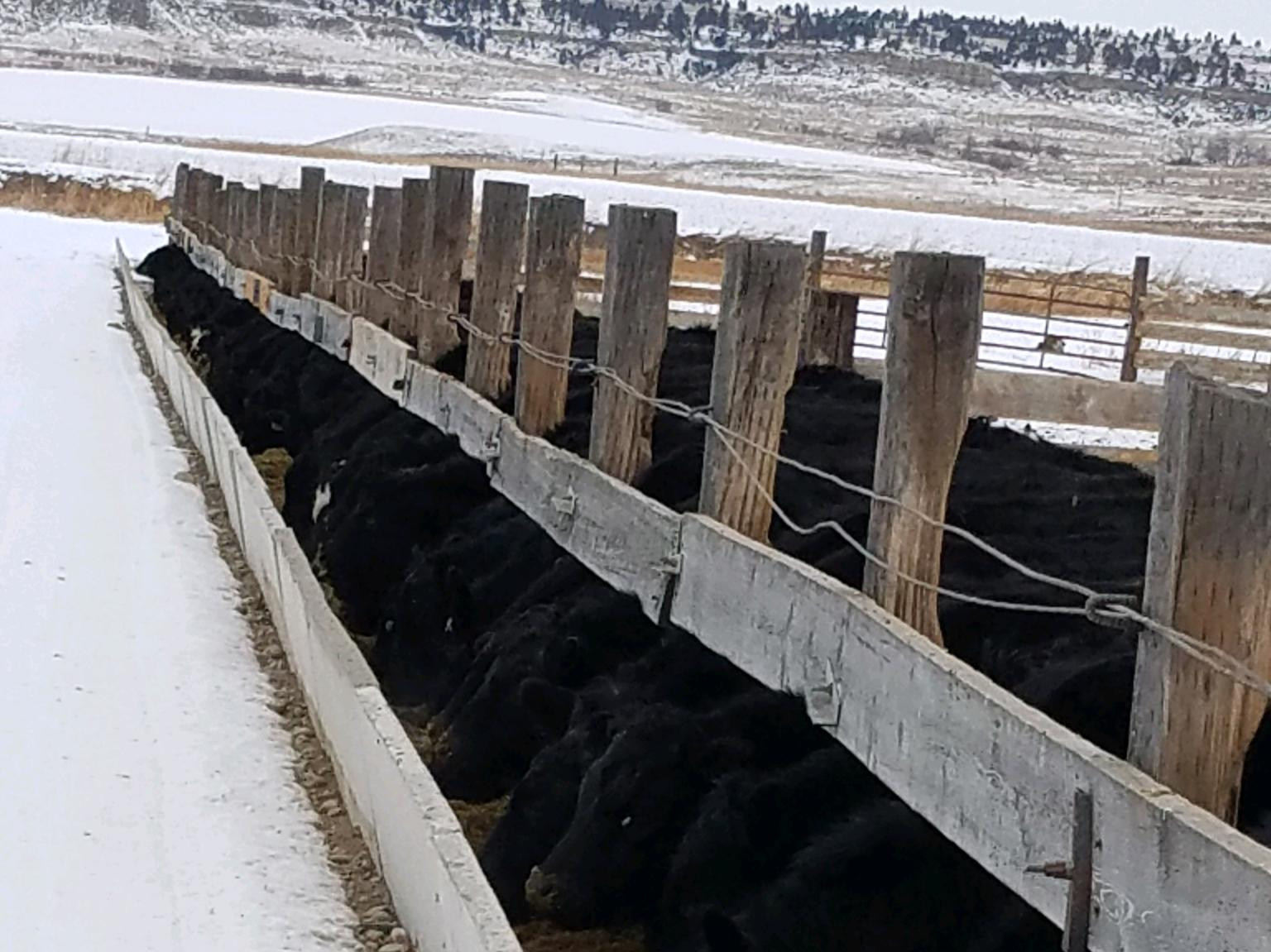
Why 5000 psi precast performs well here?
At Lockwood Precast in Billings, we use a robust 5000 psi (pounds per square inch) mix design for our products. Higher compressive strength generally means a denser concrete with lower permeability—fewer pathways for water to enter and cause freeze-thaw damage. We also reinforce many products with rebar for added tensile strength against cracking from loads or temperature movement.
Because our products are manufactured in a controlled plant environment (rather than poured on-site in variable weather), they cure properly and achieve consistent quality before they ever leave the yard. This controlled process is a major advantage for long-term durability in cold climates.
Industry experience and precast guidelines commonly cite 50–100+ year service lives for properly designed precast elements exposed to outdoor conditions, provided they are air-entrained where needed and installed correctly. Many of our tanks, landscape pieces, utility products, and architectural elements are engineered with these Montana realities in mind

Factors that affect lifespan in Montana
Mix strength and density — Higher psi (like our 5000 psi) reduces water absorption.
Reinforcement — Rebar helps control cracking from thermal movement or loads.
Air entrainment — Microscopic air voids give freezing water room to expand without damaging the concrete.
Installation and drainage — Proper placement, bedding, and drainage reduce prolonged saturation.
Exposure — Buried tanks and vaults face different stresses than above-ground tables, benches, or stairs; both benefit from quality precast.
Maintenance — Precast generally needs very little ongoing care compared with wood or lighter materials.
Real-world applications around Billings
Our customers use Lockwood Precast products for septic tanks and cisterns, stock-water tanks, landscape tables and benches, parking blocks, splash blocks, transformer pads, egress window wells, burial vaults, and more. These items see Montana winters year after year. The combination of local manufacturing, high-strength mix, and reinforcement is designed to deliver decades of reliable performance with minimal maintenance.

Bottom line
In Montana’s freeze-thaw climate, quality precast concrete is one of the most durable material choices available. With a 5000 psi mix, rebar reinforcement, and plant-controlled production, Lockwood Precast products are built to last 50–100 years or longer under typical conditions.
If you’re planning a project in the Billings area or surrounding communities (Laurel, Shepherd, Huntley, and beyond), we’re happy to help you select the right product. Call us at 406-245-4635 or visit lockwoodprecast.com to view our tanks, landscape items, construction products, and more. We’ve been manufacturing durable precast right here in the Yellowstone Valley for over 60 years.


Comments